#22 The realness of rivalries and the reality of Pete Rose in the Hall of Fame Museum
Plus: are we post peak velocity?

Good morning, it’s a big Friday edition of The Bandwagon. We’ve got:
- The truth about Pete Rose and the museum part of the Hall of Fame
- A little reporting and reaction on velocity in the majors
- And a ranking of MLB’s Rivalry Weekend matchups by rivalry-ness
Let’s get right to it.
No, the National Baseball Hall of Fame and Museum has not been ignoring Pete Rose
by Hannah Keyser
In the wake of the news that Rob Manfred had effectively reinstated Pete Rose off the permanent ineligibility list posthumously, some pontificators were so eager to condescendingly declare it about time that they ended up just revealing that they haven’t made it up to Cooperstown much, if at all. Which would be fine, if they weren’t so smarmy about the supposed sanitization of baseball’s rough-and-tumble history.
Allow me to be more explicit. There was a strain of Rose reactions that argued it’s obviously good that he can finally be considered for induction into the Hall of Fame because “museums exist to tell about history, and history is always messy -- including in sports.”
That’s from a column by Dan Wetzel1, a senior writer at ESPN. It’s the most egregious example of this take I saw, but not the only one to claim that barring Rose from being on the ballot is an attempt to write him out of baseball entirely.
“If the museum is there to tell the history of the sport, well, how do you do it without Pete Rose?” Wetzel writes.
Glad you asked because there’s a very straightforward answer: they don’t!
The Hall of Fame is just one part of the National Baseball Hall of Fame and Museum. The rest of it, get this, is the museum. Inclusion in the hallowed Hall via a bronze plaque on the wall is an honor reserved only for a select group of players deemed deserving. It’s not intended to be exhaustive; quite the contrary, part of the mystique is that it’s exclusive.
Inclusion in the museum, however, doesn’t require voting or induction or consideration of the character clause, only impact on the game of baseball. And Rose — along with other players who are not Hall of Famers like Barry Bonds — is there!
Take a look …
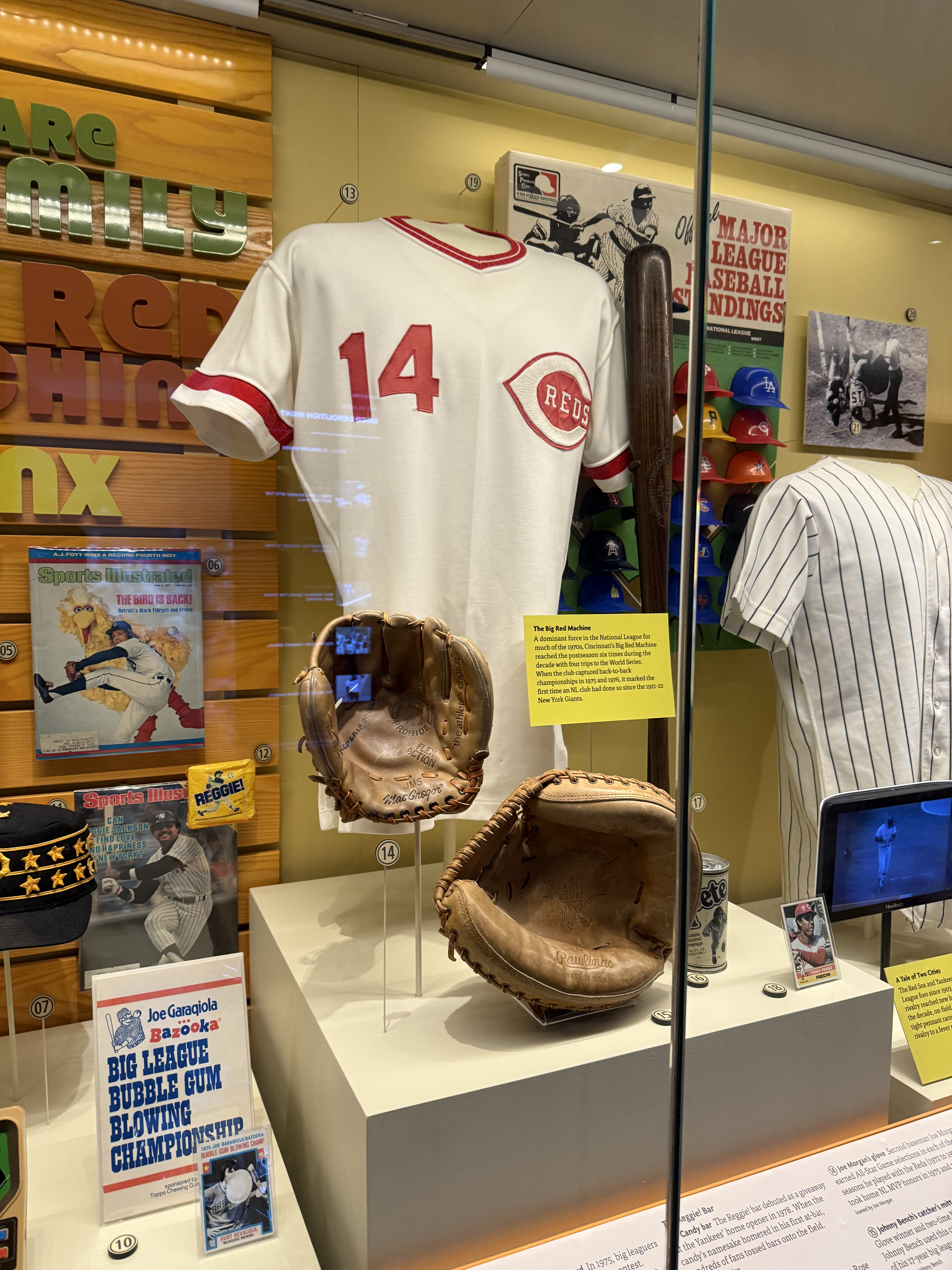
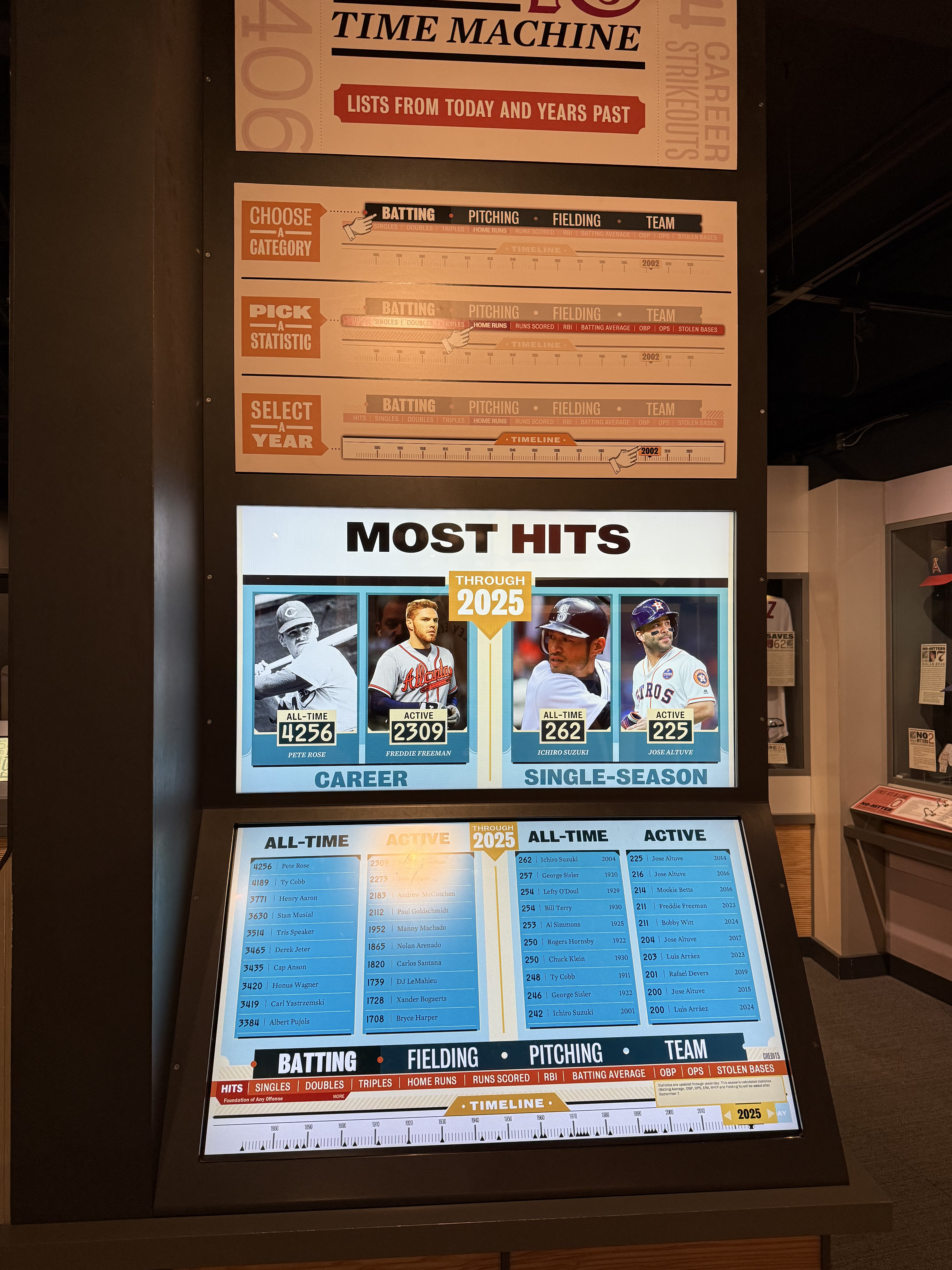
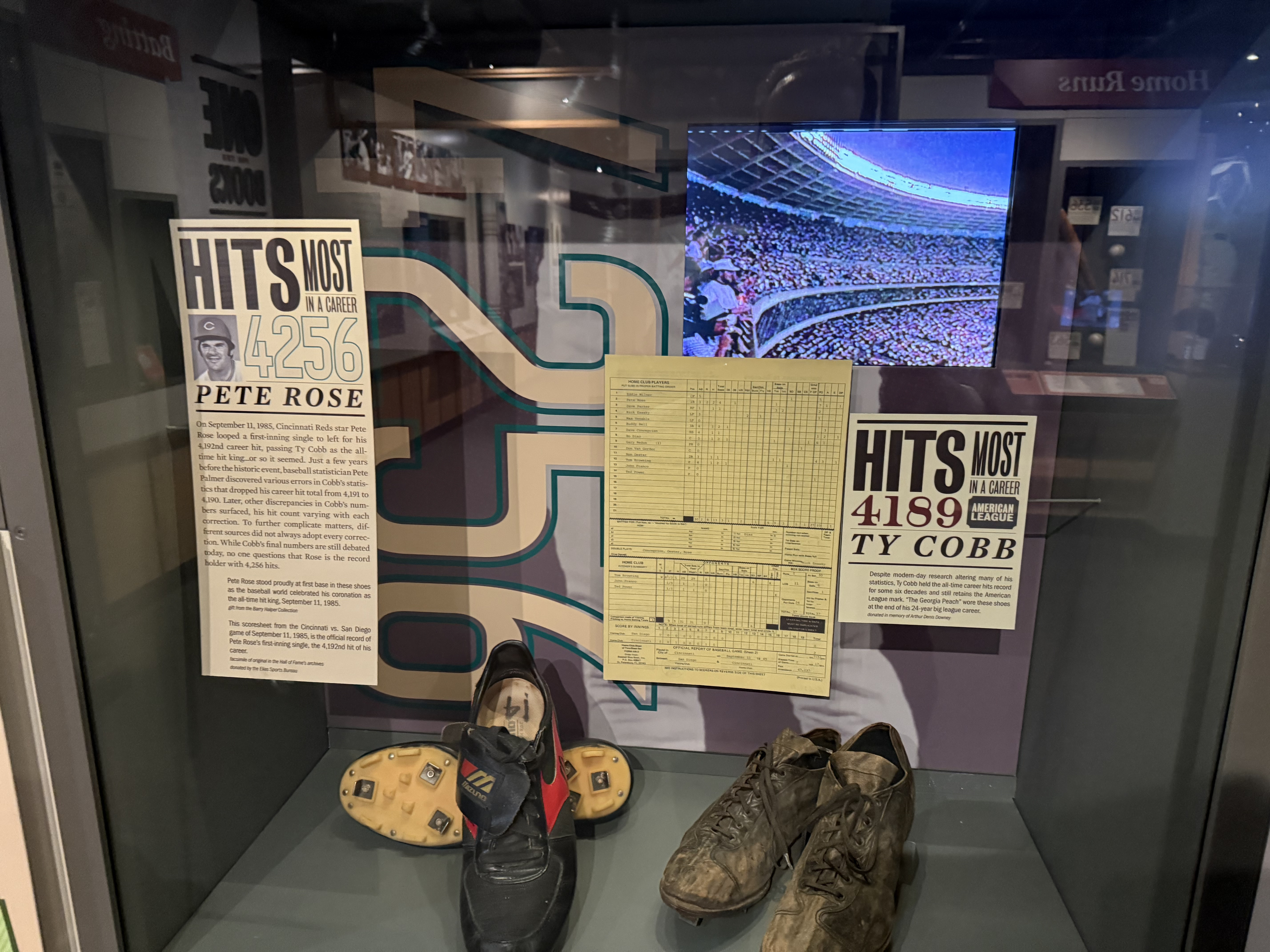
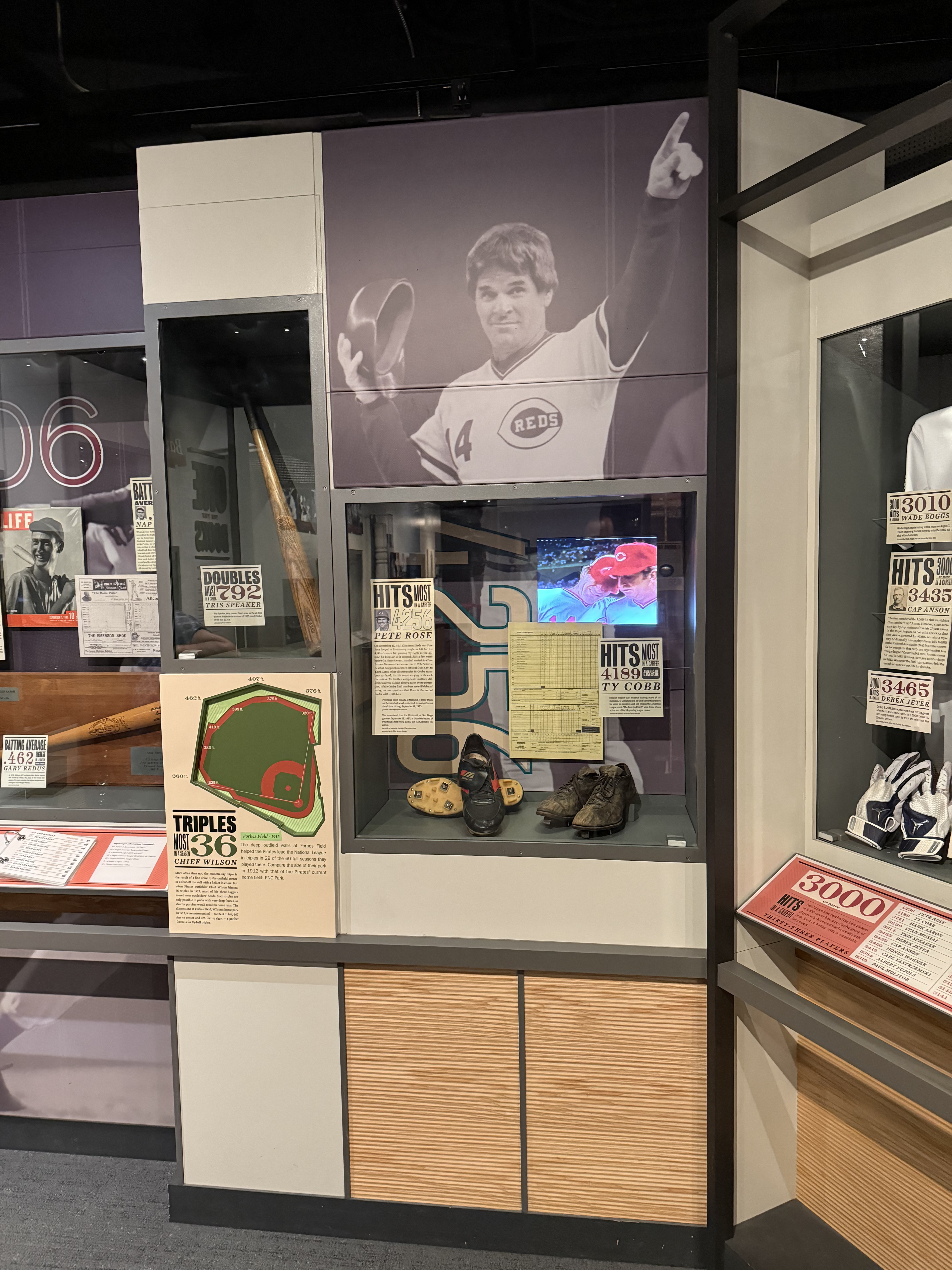
That’s just some of the places in the museum that commemorate Rose’s on-field contributions.
If you click through and read Wetzel’s column now, there is brief acknowledgement that Rose is actually represented elsewhere in the museum. But that was added after the fact. I know because they wedged it into a paragraph that I had previously screengrabbed to make this same point on social media.
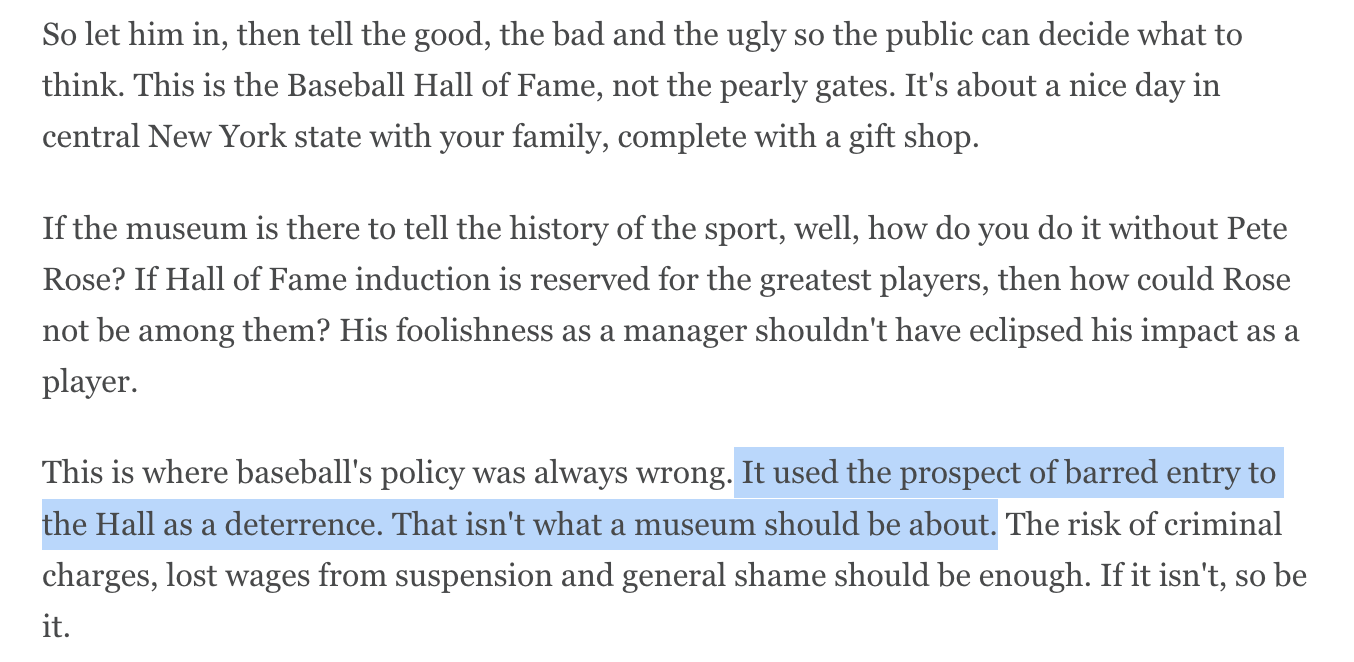
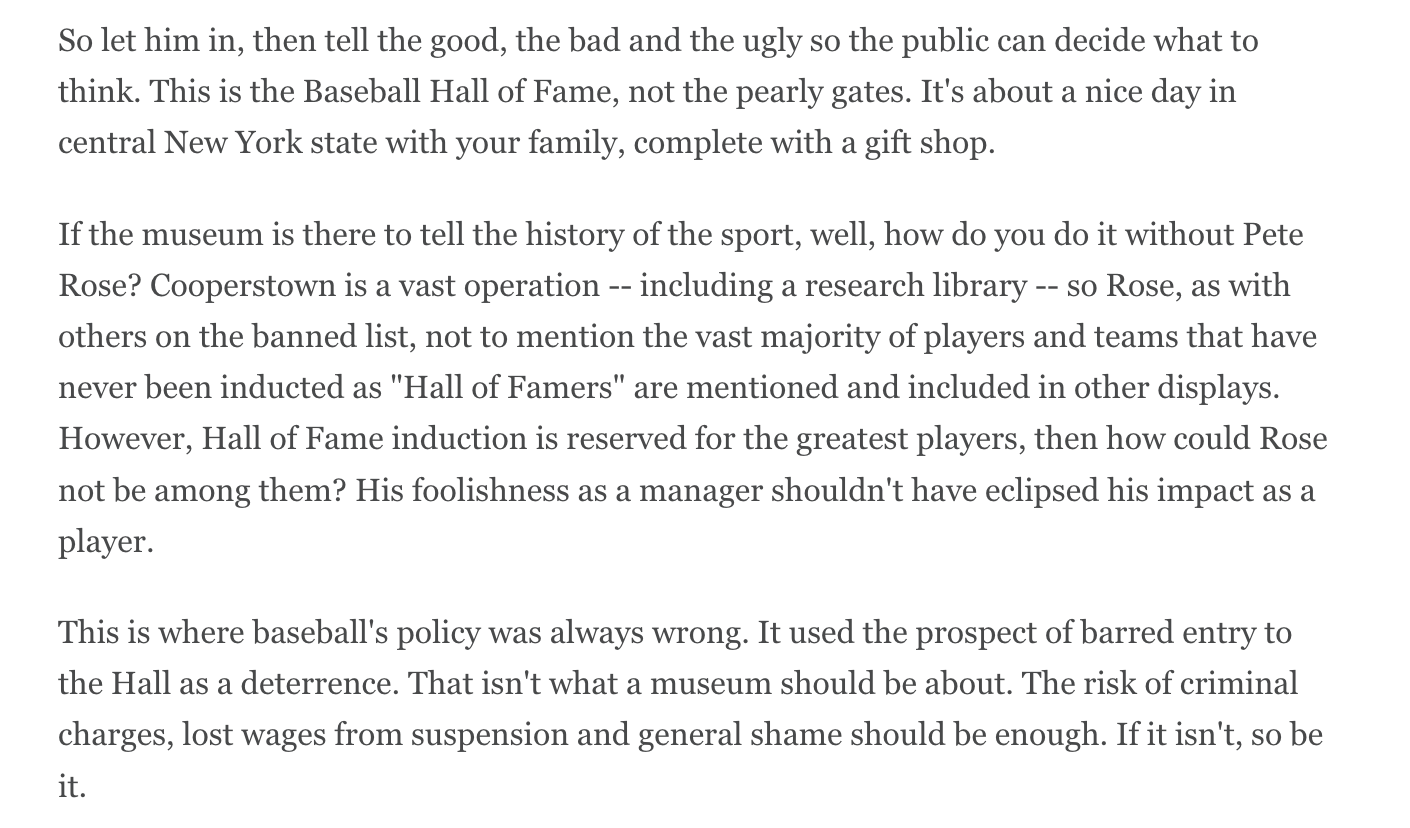
Frankly, I think that’s pretty crappy. The entire argument is premised on believing the museum ignores Rose entirely. The column is incredulous because it’s imagining a situation that would, in fact, be kind of crazy. Admitting the premise is wrong post hoc while not changing any of the outrage that stems from it just seems irresponsible.
If you think Rose should be inducted into the Hall of Fame part of the establishment, argue that on merit. But don’t act all sanctimonious about being the only one willing to grapple with the moral ambiguity of baseball’s history when that’s simply not true.
A little reporting, a little reaction: The velo plateau?
Hannah: I’ve been noodling with a theory since spring training that we are post peak velocity. Or maybe it’s more like, we are at plateau peak velocity. The literal arms race to throw ever faster has hit the point of diminishing returns. (To be clear: this is an MLB-specific phenomenon. At the developmental level, velocity still very much rules all. But that is a story for another day…) And the new focus is on a vast and varied arsenal. Seemingly everyone is always working on a new pitch — up to and very much including Paul Skenes.
Deception is returning to prominence, in the form of tunneling your pitches so they all look the same until the last second.
I presented this thought to Mets pitching coach Jeremy Hefner and he had the following to say about it:
Definitely. I think it has less to do with like, we're really concerned about health, and more to do with [the fact that] hitters have trained how to hit velocity, and we figured out that we can't throw any harder. We can't throw any harder, we can't throw it by him, now we got to trick him again. And so now everybody's got a four-seam and a two-seam and a cutter. Everybody's got every pitch. And I think that's the right move, as opposed to, like, let's chase 104 [mph] from every guy. The body can only do so much.
After talking to Hefner, I sent that quote to Zach to get his reaction. But then I realized we could make this back and forth into content! So, Zach, take it away.