#56 Empires aren't built in a day
What the Roman Anthony deal means for the Red Sox. Plus: Baseball missions, Stuart Sternberg and challenges
The Opener
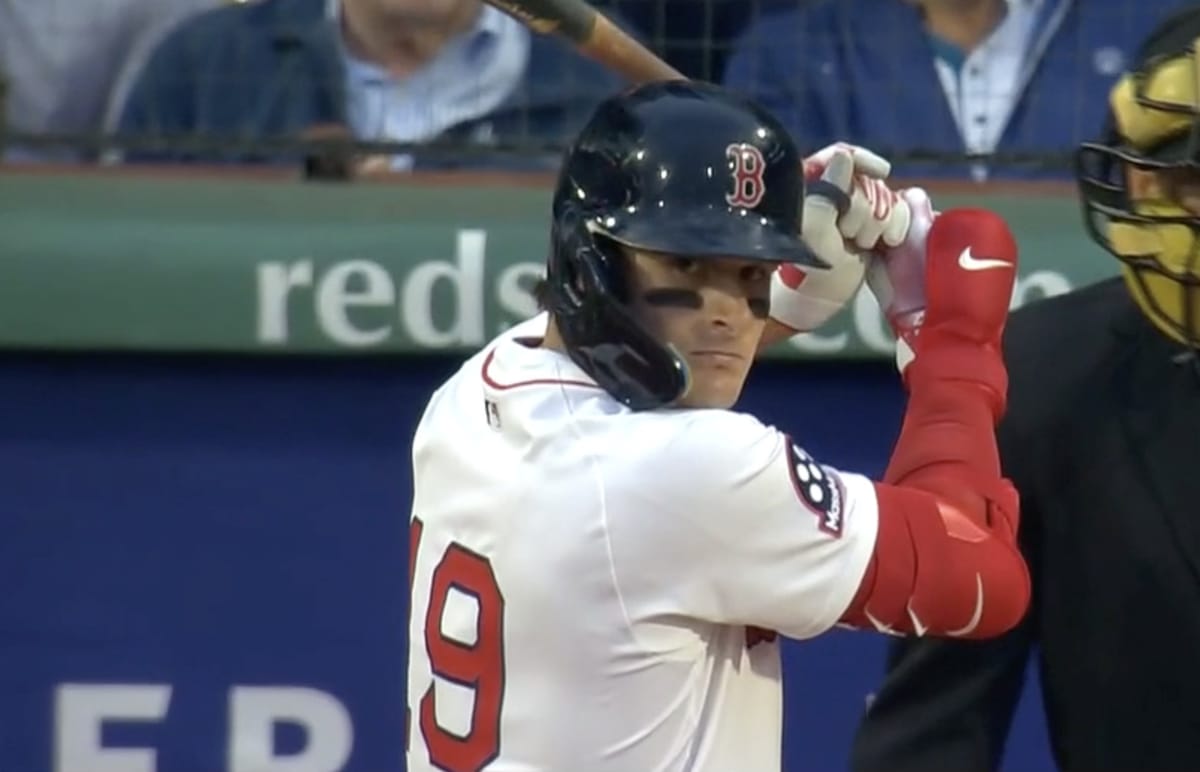
- The Red Sox signed top prospect turned strong 21-year-old rookie hitter Roman Anthony to an eight-year, $130 million contract with escalators and a team option that could max out at $230 million (if he won the next nine MVP awards — don’t hold your breath). Apparently the Mariners’ Julio Rodriguez extension, which set a base salary and piled on numerous opportunities for additional money based on awards voting, is a new model for extending young stars.
- Jen Pawol will become the first female umpire in Major League Baseball this weekend, working the bases in Saturday’s doubleheader and behind the plate for Sunday’s game in the Braves-Marlins series. I (Hannah) wrote about Pawol in Febraury 2021 when the NFL had a female referee in the Super Bowl and considered why baseball was so far behind in having women officiate at the highest level. At the time, she predicted it would be five years before she got the call up, so I guess it’s nice that we’re slightly ahead of that schedule?
- Tonight, catch Clayton Kershaw (217 wins) versus Max Scherzer (218 wins) as their respective first-placed Dodgers and Blue Jays open a series in L.A. If you want to pre-game that…game, check out this insanely thorough account of the first time Scherzer and Kershaw faced off, 17 years ago.
I like to go to cities I don’t live in with a purpose, something that allows me to justifiably soak up the flavor of a place without taking a guided tour or stepping foot in a museum. Recently, my go-to move has been buying concert tickets in Philadelphia, taking the train to and fro in one day, and snagging a great dinner somewhere in the meantime.
I saw Wilco there this week. It was phenomenal as usual, you haven’t really lived until you’ve seen Nels Cline rip through the Impossible German guitar solo. Anyway, they achieved peak Dad Rock by starting an 8pm show at 8:00 on the dot, and then just a day later frontman Jeff Tweedy went to Pittsburgh with a baseball-related purpose. A famous Chicago resident, he had apparently set a goal to throw out the first pitch at all the NL Central ballparks, and his wife helped arrange the final checkbox for their 30th anniversary.
That mission-based way of moving through the world resonates with me. Though not many of us have the heft to set and achieve a goal of throwing out ceremonial first pitches, there are more inventive to-do lists than just visiting every park. Having recently taken in a game from the Western Metal Supply Co. building in San Diego, I could make a mission out of sitting in every novelty section — the Green Monster, the Crawford Boxes, etc. But I wonder if any readers have more specific baseball missions, completed or not.
Let us know. The dog days of August are the time when we have to search for some meaning in our baseball.
–Zach Crizer
The Bullpen
⚾⚾⚾⚾⚾⚾⚾⚾⚾⚾⚾⚾⚾⚾⚾
That Roman Anthony contract is the fifth long-term extension Red Sox chief baseball officer Craig Breslow has inked with a young player under team control in less than two years on the job — following pitcher Brayan Bello, outfielder Ceddanne Rafaela, ace trade acquisition Garrett Crochet and second baseman Kristian Campbell.
Having traded away Rafael Devers, the last reminder of the Mookie Betts era (and a star who negotiated a much larger contract from a much better bargaining position), the Boston front office is engaging in some reputational waterproofing that might work out on the field, too. I’m being a little cynical, but this ownership group hasn’t earned the benefit of anything else recently.
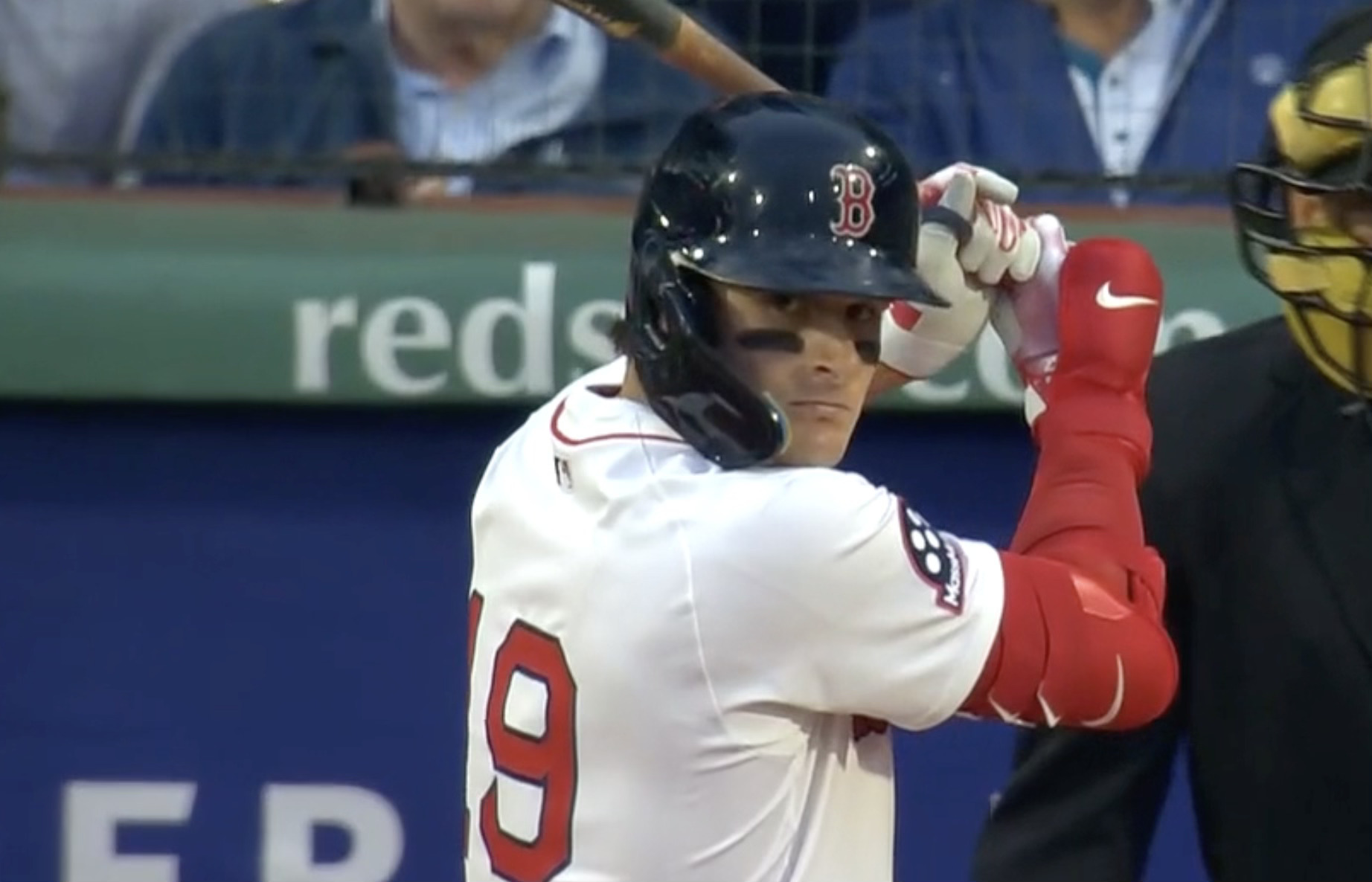
If you were going to triangulate a baseball modus operandi that keeps fans and ownership relatively happy simultaneously, it would look a lot like this. There are players with high-end expectations (Anthony and Crochet) signed to sub-$200 million deals, and players who entered negotiations with less prestige inked to deals worth $60 million or less (Bello, Campbell and Rafaela). It’s like 2018 Braves cosplay.
Here’s the thing: It might be good strategy! There’s a whole other story to be done on the outlook for the Braves’ remaining long-term extensions in the wake of a brutal season, but the project that began in earnest with Ronald Acuña Jr. and Ozzie Albies has to be considered a success.
What Breslow is setting up with the Red Sox — despite some real PR stumbles — could be a young core with enough talent to open a consistent postseason window, and enough cost certainty baked in to dodge the trigger-happy whims of owner John Henry.
It could be. Campbell could have been the answer at second base this year … but he stumbled back to the minors. Rafaela could have been a defense-only blocker in center, but he has seen a significant offensive uptick! The perception of this season is going to swing wildly based on the final standings and whether the Red Sox advance in the postseason. But really, we won’t know the final score of Breslow’s many moves for years. –ZC
⚾⚾⚾⚾⚾⚾⚾⚾⚾⚾⚾⚾⚾⚾⚾
I liked this rosy retrospective on the Stuart Sternberg era of the Tampa Bay Rays — how he built a sustainably successful on-field product but could never quite crack the code of attendance in St. Petersburg — more than I thought I would. You don’t have to hand it to sports team owners ever, but I’m always interested in franchise identities and the Rays certainly have a specific and well-known one. Tracing that iconoclasm not just through Andrew Friedman or Joe Maddon but all the way up to Sternberg makes sense. And credit to Sternberg for casting aspersions on his way out — tell the The New York Times Magazine that the other owners don’t mind seeing him go because his success in a small market undercuts the arguments for a salary cap.
There was one specific assertion, though, that struck me as wildly incorrect: “Alone among league owners, and perhaps among franchises in any sport, Sternberg values a win at some future date as much as he values one in the present.”
Is he alone in that, though?
Now, I try not to make it a habit of reading 5,000 word features and calling out the one sentence I disagree with, but this is in such stark contrast to the current era of baseball — in which often it feels that every team intends to win more games three years from now than they will this year, creating a kind of league-wide skittishness. At the very least, you’d be hard pressed to find an owner or executive who would admit that they’re planning to win more games this year than they are in three years. I’ve often said that would be a great feature idea: ask all the GMs/owners if they think they’ll win more games this year or three (or five, or four, or you get it) years from now. If more than half of them say the latter, someone is misreading the landscape and should pivot to prioritize right now. But they probably won’t do that because trying to win now is a lot of pressure.
Where Bruce Schoenfeld, the author, goes wrong is simply not applying the same phenomenon that he details elsewhere. Namely that Sternberg is a pioneer and many of his innovations, like valuing future wins, have now become standard around MLB. –HK
⚾⚾⚾⚾⚾⚾⚾⚾⚾⚾⚾⚾⚾⚾⚾
The Blue Jays getting way better about challenging midway through the season might be interesting …