A brief history of the early opt-out
Pillow contracts have become trampoline deals
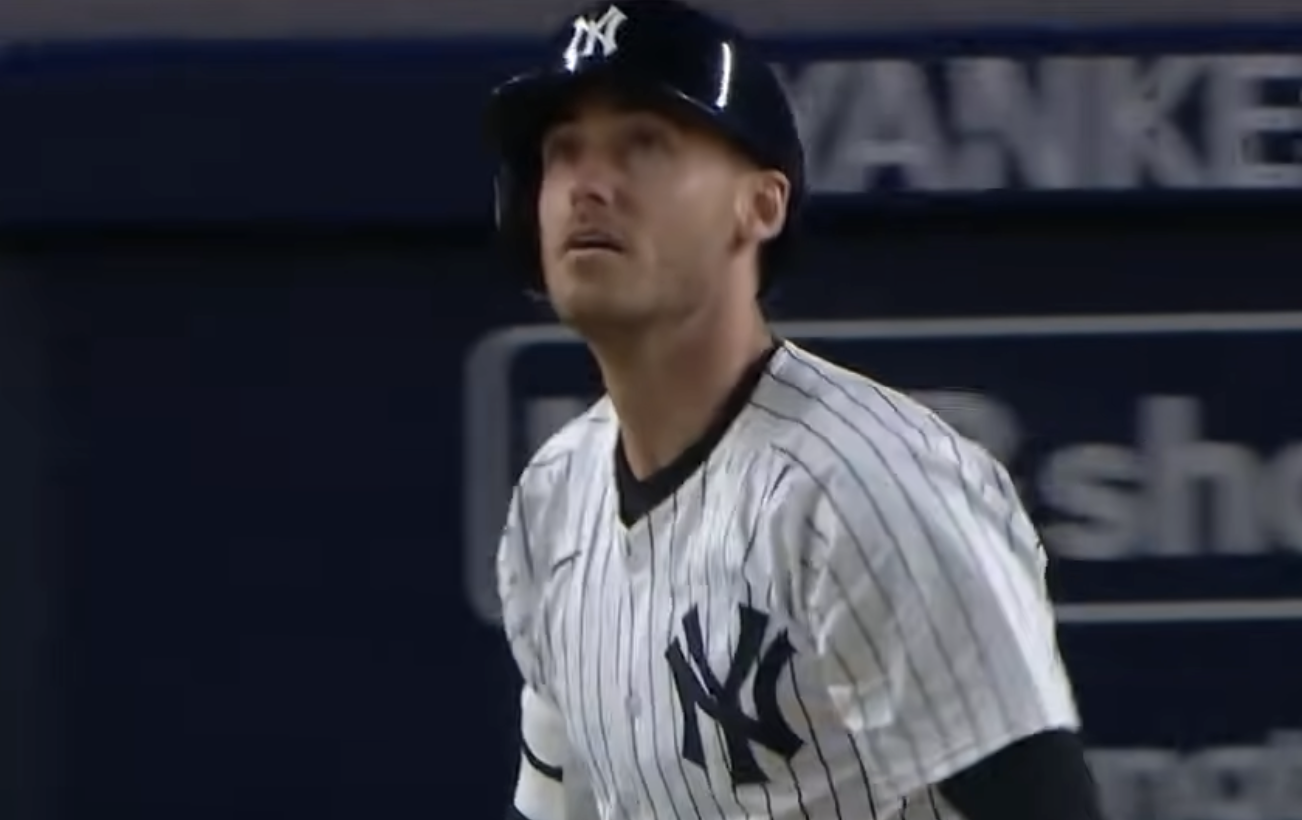
If you haven’t had enough time to decide what you think Cody Bellinger’s services are worth, good news: You might get yet another chance in two years.
Free agent classes have recurring characters these days — big ones, main characters. Bo Bichette, Tatsuya Imai and Michael King could reappear in next winter’s group. Bellinger and Kyle Tucker could return in the following batch. Two other prominent names from this year’s class, Alex Bregman and Pete Alonso, are repeats from 2024-25.
None of the players mentioned, though, signed the one-year deals the baseball world colloquially calls pillow contracts. Instead we’re seeing something that isn’t new, per se, but newly shaped. So far, five of the winter’s top 25 free agents — per MLB Trade Rumors, which is the reference point I’ll use throughout — have agreed to multi-year contracts that allow them to opt out after one or both of the first two seasons.
High-potential, low-recent-performance players who used to take pillow contracts now take these. But so do stars who get offered seven-year deals with nine figures attached. The type of free agent who accepts, or even asks for, this type of deal is changing fast, reaching all the way to the top of the offseason food chain. The thing is, this structure barely existed prior to 2020. It seems like a development with some history that we didn’t realize was history. Let’s try to rectify that.
To make things easy, and because naming things is fun, I’m going to dub these contracts trampoline deals. We’ll define those as: Free agent contracts where the player is guaranteed more than one year, but can opt out after one or more of the first two seasons. Anything involving club, mutual or vesting options doesn’t count.
Opt-out as insurance
Let’s go to the beginning first, which is more recent than you might think. The first widely reported example of a trampoline deal I could find was J.D. Drew. The right fielder signed a five-year pact with the Dodgers ahead of 2005, but the Boras-negotiated deal included an opt-out after Year 2. The Dodgers and GM Ned Colletti wound up miffed when Drew exercised it and bolted for the Red Sox.
There were cases that, if signed today, may have been reported as opt-outs. Adrian Beltre signed with the Red Sox in a pillow contract situation for 2010. It was phrased as a one-year deal with a player option, which carried different salaries based on playing time incentives. Still, for all intents and purposes, it was a two-year deal with an opt-out, a trampoline deal. He used it as a launchpad to the Hall of Fame, declining the option and heading to Texas.
All the other opt-outs of that era were big-time talents giving themselves an insurance policy in the middle of very long-term deals to maximize their value if inflation or market conditions drastically changed the money situation in the game. The Alex Rodriguez contract signed with the Rangers, and opted out of with the Yankees, is the first and most famous example.
In the mid 2010s, opt-outs popped up in more of these long-term deals, inspiring fascination and confusion over how to understand the value of the opportunity, but rarely producing actual second runs at free agency. David Price and Jason Heyward got opt-outs after three years of major deals, but didn’t play well enough to confidently take them. Yu Darvish had a trampoline deal with the Cubs (he could have opted out after Year 2), but chose not to exercise it approaching his mid-30s.
Prior to the 2019 season, both Manny Machado and Xander Bogaerts signed long-term deals that positioned opt-outs halfway through the contract — five years in and three years in, respectively. Gerrit Cole had one after the fifth year of his nine-year pact with the Yankees, signed prior to 2020, which led to the weird scenario where he opted out, then he and the team agreed to say “Whoops, nevermind!” and keep the original deal in place.
Follow the bouncing ballplayer
That winter between 2018 and 2019 looks like it might be something like the big bang that sparked the seismic shift in how and when opt-outs appear. That was the winter that Craig Kimbrel and Dallas Keuchel went totally unsigned until June, their appeal supposedly snuffed out by the qualifying offer. It was also the winter Machado and Bryce Harper languished on the market for months, seeking long-term offers that didn’t roll in with nearly the excitement the industry expected.
The Dodgers reportedly tried to snag Harper on a four-year, $180 million contract, a precursor to their winning pitch to Kyle Tucker. I can’t help but wonder if it would have included opt-outs. If the 2019 versions of Kimbrel or Keuchel became free agents in 2026, I’m almost certain they would join the trampoline deal trend.
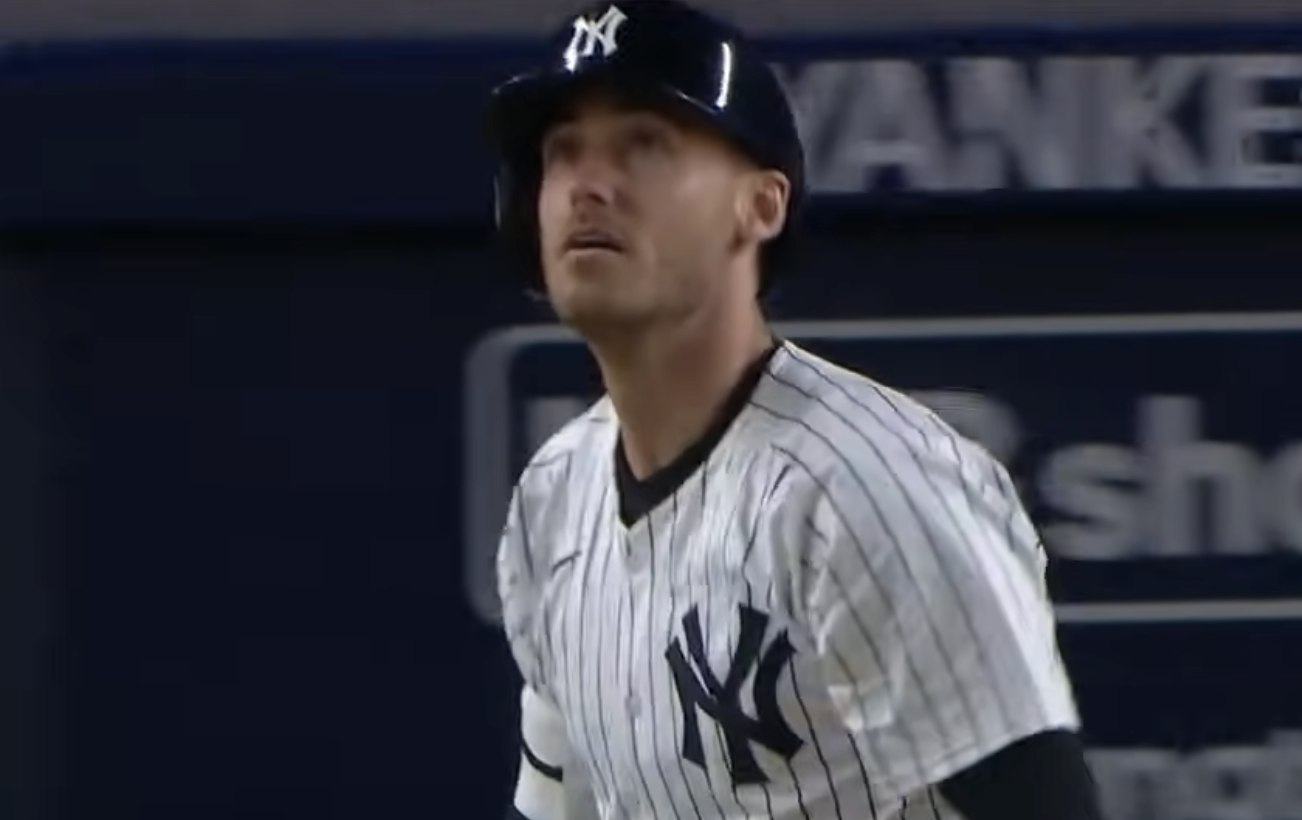
Ahead of 2020, Nick Castellanos took a trampoline contract with the Reds. The four-year, $64 million deal included opt-outs after Year 1 and Year 2. A disappointing 100 OPS+ in the shortened 2020 season meant he stayed in Cincinnati. A resurgent 2021 with a .309 batting average and 34 homers meant he seized the day for that second chance at free agency, landing $100 million over five years from the Phillies. The next winter, Trevor Bauer signed an even bigger deal with the Dodgers with similar opt-outs. Those went unused for bad reasons unrelated to the opt-outs.
Then, in the 2021-22 offseason interrupted by the lockout, seven of the top 25 free agents took trampoline deals, including the injury-compromised Carlos Correa, Javier Baez and Marcus Stroman. The following year, three of the top 25 inked trampoline deals. Most notable: Sean Manaea signed the first of two consecutive trampoline deals (a double bounce?) en route to relative stability with the Mets.
In 2024, seven more of the top 25 took the trampoline deal route, including Bellinger, Blake Snell and Matt Chapman, all of whom wound up on different long-term deals within two years.
Last winter, eight of the top 25 went for trampoline deals, including Bregman and Alonso, a new high water mark.
The recent profile of the trampoline free agent is both more ballyhooed and more successful in execution. Bregman and Alonso, by combining one-year stints with opt-outs and freshly signed long-term deals, wound up exceeding MLB Trade Rumors’ original projected value for their free agent deals. Snell and Chapman also beat their projected numbers, though less decisively.
I averaged the expectations and reality of the 25 trampoline deals we’ve seen resolve themselves since 2020, looking at the MLB Trade Rumors projections, the actual contract signed and the contract that followed if an opt out was used or leveraged for an extension.
- Projected initial deal: 4.8 years, $104.9 million ($21.9 million AAV)
- Actual initial deal: 3 years, $68 million ($22.3 million AAV)
- Total money from deal and resulting deals: 4.3 years, $104.2 million ($24.2 million AAV)
And …
- Total expenditure resulting from those completed deals: $2,501,400,000
- MLB Trade Rumors’ projected total expenditure on the initial deals: $2,504,000,000
Neither of those numbers incorporates adjustments for deferred money and such, but you get the idea. It comes out pretty close.
Up in the air
I’ve seen a few fans comment on the dulling effect of these opt-outs. It can be harder to really get excited for a big-ticket free agent whose success would come with a side of uncertainty.
A great 2026 from Bo Bichette means he might not be on the Mets in 2027, or that he would at least test the market again. Sub in the relevant name for your own interests there. Bellinger has been bouncing and could bounce again. More and more pitchers are going to try this cycle at the first hint of uncertainty; the Royals’ deal with Seth Lugo came on a trampoline deal after his bullpen-to-starter conversion, but they extended him to prevent the inevitable opt-out.
If the mid-2010s were a time where the opt-out incentives for club and player were hard to understand, the mid-2020s make them crystal clear.
Teams with financial resources want high-level talent without the sort of commitment that might leave them with decline years or as-yet-known penalties in a future labor agreement. They’ll bet on themselves to make more good decisions in a year or two.
Players want multiple chances to hit ever-changing markets with their best possible platform year. They’ll bet on themselves to have even better seasons.
The best of the best get once-in-a-generation money. The rest know their optimal outcome might require more swings, so they’re happy to keep their future in the air.
The Bullpen
⚾⚾⚾⚾⚾⚾⚾⚾⚾⚾⚾⚾⚾⚾⚾
Effectively Wild had Brent Rooker and Vinnie Pasquantino on. I recommend the whole thing, but I particularly enjoyed Meg Rowley asking the duo about their proclivity for engaging with fans on social media, and how they give the player’s view on some of the more contentious matters of the day, like labor negotiations.
“When it comes to PR, we have been losing that battle forever,” Pasquantino said of the players. “I’m not 100% sure people realize that a lockout means that the owners have shut us out.”
He’s right! It’s not an easy thing to do from their vantage, for a variety of factors that they go on to discuss. It’s worth talking about and thinking about now.
That question starts at the 1 hour, 24 minute mark.
⚾⚾⚾⚾⚾⚾⚾⚾⚾⚾⚾⚾⚾⚾⚾
Going to save these posts about Carlos Rodón’s rehab to appreciate pitchers more whenever they return from injury.
Also my own skeletal system whenever it functions properly.
⚾⚾⚾⚾⚾⚾⚾⚾⚾⚾⚾⚾⚾⚾⚾
Jose Ramirez signed another extension with Cleveland, because of course he did.
⚾⚾⚾⚾⚾⚾⚾⚾⚾⚾⚾⚾⚾⚾⚾
The SABR Analytics Conference Research Awards are an annual look at some of the best analytical baseball writing from any given year. The finalists are out now, and I’m honored to be nominated again alongside a great list of writers, which also includes Hannah.
I’m up for my piece on the evolution of center fielders at Opta, while Hannah is nominated for her New York Times story on youth pitchers.
Go to SABR to check out the terrific work from 2025. And, if you’re so inclined, consider voting for me in the defensive category and Hannah in contemporary analysis.