Baseball Season 126 review: Black Squirrel Event
A recap of our favorite TV show.

Warning: Spoilers ahead for the recently concluded season of Baseball.
Editor’s rating: ⭐️⭐️⭐️⭐️ out of 5
So, it was a trap. This foreboding season of Baseball, which set the domineering Dodgers on a collision course with a boardroom-bred uprising, instead subverted those expectations at the last minute.
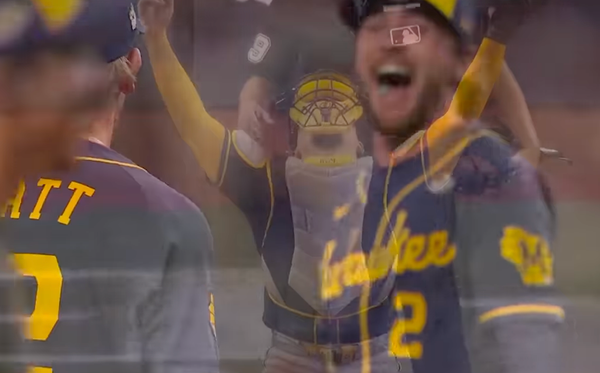
Zooming in on a debaucherous parade in Milwaukee, it made plain what the careening, at times overwhelming, collection of disparate storylines dared us to miss. Characters whose fates seemed sealed, whose agency was doubted, delivered moments of surprise and genuine growth that weren’t merely misdirection or fringe decoration. They were the point.
The prospect of a destructive labor war is still close at hand, but this finale declined to peer over the ledge. It was not so much cliffhanger as a cliffside barbecue. The stomach-dropping suspense was pushed off for, presumably, the start of next season. That finale was light-hearted, but also complicated everything that came before.
There’s a world in which the season’s penultimate episode — the Brewers’ triumph over the Dodgers — could have landed as fan service. But that’s not the world Baseball inhabits. Turning away from the pyrotechnics of their last finale, the writers gave the NLCS none of the trappings of a momentous showdown. They let the charismatic, unstoppable monster of the previous two seasons simply deflate, like a balloon at the end of a child’s birthday party.
Pointedly anticlimactic, the Dodgers’ denouement challenged viewers to retrace the arcs that drove the season. Where the Tarik Skubal storyline in the middle of this run felt tiresome, duplicative, playing out in parallel to the billionaires’ salary cap push, the final two episodes held a mirror up to the viewer. Were those storylines connected, or did the messaging just work to its intended effect?
The finale had more competitive verve, to be sure, but left us adrift on how to feel, what to want. It was a daring choice, not without its issues. Maybe it felt refreshingly unburdened by pretext, but for some it undoubtedly sagged, unsupported by dramatic buildup.
Having cleared the board of big money bogeymen, the episode’s major plot points underwhelmed. Smaller moments glimmered: Like the private moment between Brewers manager Pat Murphy and free-agent-to-be Jake Bauers. After Bauers gifted his talismanic skipper the ball from the final out, Murphy joked about the bad habits of “that horseshit Yankees team” that may very well employ Bauers next season. The show’s antagonized titans went unseen and unheard in this episode, but not untaunted.
Milwaukee’s bombastic thrashing of the luxurious, loaded Los Angeles club didn’t banish the show’s divisive recent main characters, far from it. Instead, it reasserted their humanity through vulnerability. Can it really be David vs. Goliath when David has a laser gun that Goliath can only hope to steal? Is character an inexorable truth or just a snapshot in time?
⚾️⚾️⚾️
A season that rumbled with apocalyptic overtones and the thunderous clash of powerful characters closed with levity, with lovable scene-stealer Daniel Vogelbach drunkenly singing “Stacy’s Mom” as the credits rolled. It was disorienting.
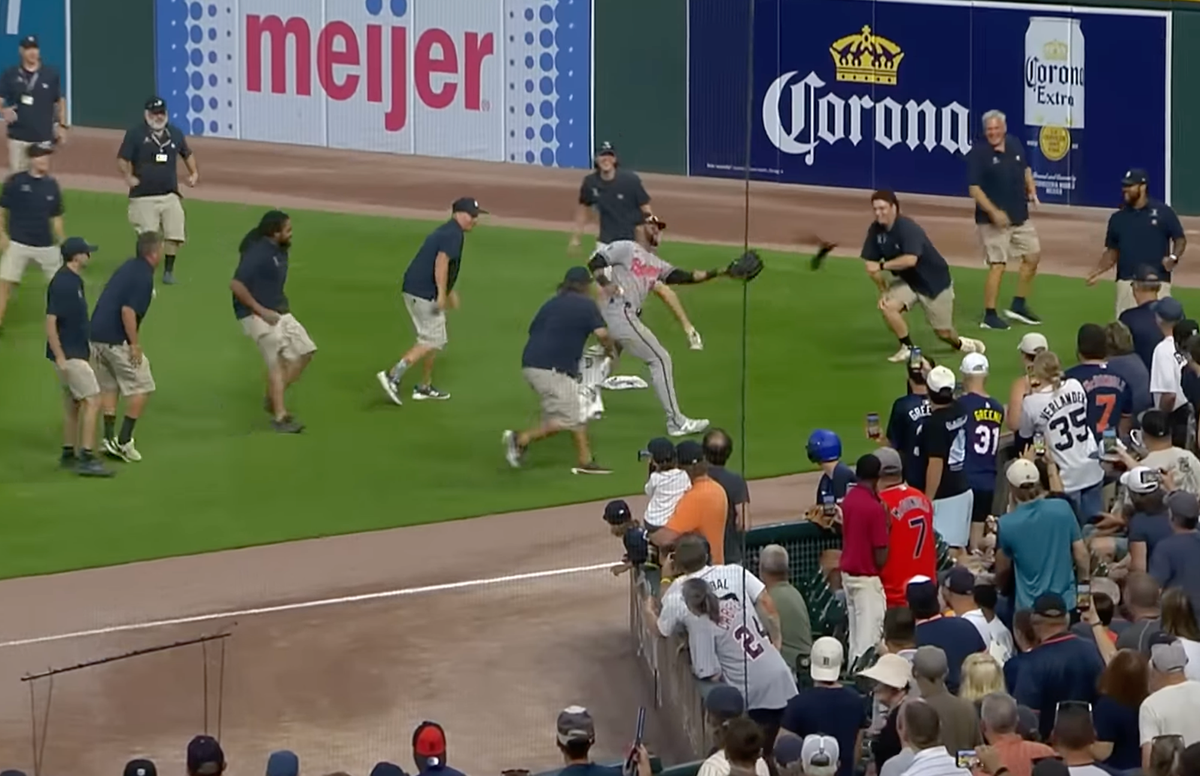
Dizzy, the more I think about it, was perhaps the intended mood of the season. A comic set piece from midseason comes to mind as something more — a microcosm and perhaps a stinging self-commentary. In the scene, which you surely remember, a black squirrel intrudes on a Tigers game. When the grounds crew goes to remove it, the crowd’s sympathy resides firmly with the undersized creature on the warning track. Soon enough, it is flitting through the wickets of relative giants, leaving lumbering would-be captors in its dust, escaping apparent doom time and again.